China Top 10 HMI Interface Manufacturers for Global Buyers?
China has become a major production base for industrial control panels, embedded displays, and smart equipment interfaces. For global buyers, selecting an hmi interface manufacturer involves more than comparing prices. Product reliability, screen visibility, software compatibility, enclosure quality, and after-sales support can determine whether a project runs smoothly.
Ben Shneiderman, a pioneer in human-computer interaction and interface design, wrote, “The old computing was about what computers could do; the new computing is about what people can do.” His view remains relevant to every hmi interface project. Operators need clear alarms, responsive touch controls, readable data, and stable performance in real working environments. A factory floor with oil mist, vibration, gloves, and changing light exposes weaknesses that a showroom cannot reveal.
This guide examines ten leading Chinese manufacturers serving international buyers. It considers product range, customization ability, communication protocols, certifications, production experience, and practical support. Some suppliers excel in rugged industrial panels. Others focus on compact embedded systems, intelligent automation, or flexible OEM services. Not every company fits every application.
That matters.
A low-cost unit may appear attractive, yet limited documentation can create expensive delays. A premium supplier may offer stronger engineering support, but its minimum order quantity could challenge smaller buyers. These trade-offs deserve careful review. The ranking should not be treated as an absolute verdict. Supplier performance can vary by model, project scope, and communication quality.
With technical details, buyer-focused comparisons, and realistic selection criteria, this article aims to help global purchasers identify an hmi interface partner with confidence. Some conclusions may require further verification. That is part of responsible sourcing.
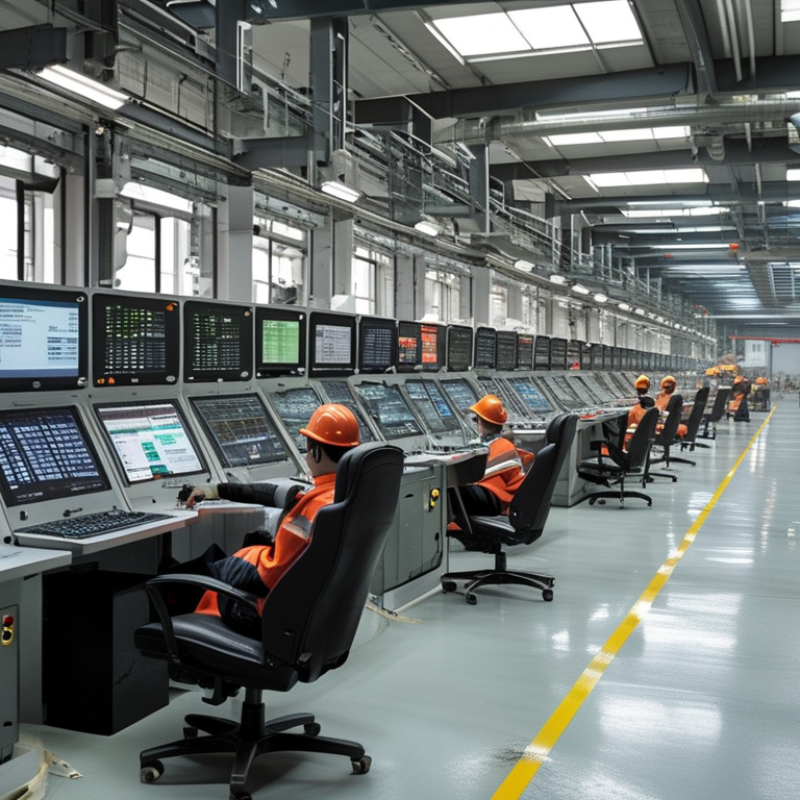
What Is an HMI Interface and Why Does It Matter?
An HMI interface is the working conversation between people and machines. It may use a touchscreen, physical buttons, indicators, or a browser panel. Operators view speed, temperature, alarms, and production status there. They also enter commands, adjust approved settings, and confirm maintenance steps. The interface turns machine signals into decisions people can understand quickly. Good design reduces hesitation when the line becomes noisy or stressful. A clear alarm matters.
For global buyers, HMI quality affects safety, uptime, training, and service costs. A strong interface uses readable labels, logical menus, clear alarm priorities, and language options. It should respond smoothly, even when network conditions are poor. Compatibility with common industrial communication protocols also matters. During equipment evaluations, I look for trend charts, event histories, permission levels, and backup methods. These details reveal whether the panel supports real work or only looks modern. A bright screen is not enough.
Reliable manufacturers document operating limits, testing methods, firmware control, and spare-part availability. They should explain how the interface handles power loss, sensor errors, and unauthorized access. Buyers should request a practical demonstration, not just a specification sheet. Ask an operator to complete a routine task with minimal instruction. If the path feels confusing, redesign may be cheaper than future mistakes. I have seen teams focus heavily on resolution while overlooking glove use and sunlight glare. That was a costly oversight. HMI evaluation is never perfect; field conditions expose weaknesses that laboratory demonstrations can hide.
What Is an HMI Interface and Why Does It Matter?
An HMI interface enables operators to monitor equipment, view process data, and control industrial systems. Display size and resolution directly affect readability, data density, and usability when global buyers evaluate HMI solutions.
The chart shows representative commercial HMI display formats and their calculated pixel capacity. Pixel capacity is calculated as horizontal resolution × vertical resolution; actual availability varies by supplier and application.
Key Criteria for Selecting HMI Manufacturers in China
Choosing among China’s top HMI interface manufacturers requires more than comparing catalog prices. A practical evaluation starts with the application. Check screen brightness under direct sunlight, touch response with gloves, viewing angles, and resistance to dust or moisture. Ask for test reports, not only product claims. A reliable manufacturer should explain panel lifespan, operating temperature, memory limits, and replacement procedures clearly.
Engineering compatibility is equally important. Confirm communication protocols, PLC support, software tools, enclosure dimensions, and mounting cutouts before ordering samples. Request a working demonstration using your actual controller and wiring conditions. Review firmware update methods and user-access permissions. Cybersecurity details may seem technical, but weak password controls can create serious operational risks. A factory audit can also reveal testing equipment, production discipline, and traceability practices.
Supplier evaluation should include more than technical performance. Examine sample quality, minimum order quantities, lead times, warranty terms, spare-part availability, and English-language support. Ask who handles software faults after installation. A polished factory visit is not proof of consistent production. Production capacity can change during busy seasons. No scorecard is perfect. Leave room for a pilot order, independent inspection, and a written acceptance standard before scaling purchases. This approach supports better decisions and reduces surprises for global buyers.
China’s Top 10 HMI Interface Manufacturers for Global Buyers
China’s Top 10 HMI Interface Manufacturers for Global Buyers deserve careful comparison, not automatic trust. “Top ten” should mean proven capability, not only search visibility. Experienced buyers should check display clarity, touch response, communication protocols, and software stability. A reliable HMI should support common industrial networks and maintain performance in dusty production areas. Clear documentation also matters when engineering teams work across time zones.
Ask each manufacturer for a functional sample. Test a seven-inch panel with gloves, bright light, and repeated screen changes. Check 24V DC tolerance, RS-485 communication, alarm history, and enclosure protection. Request factory quality records, inspection procedures, warranty terms, and spare-parts availability. A polished demonstration may still hide weak long-term support. This is where many purchasing decisions become too optimistic.
Tips:
Compare at least three samples before ordering. Confirm firmware update methods and data security controls. Ask whether customization changes delivery time or testing requirements. A useful factory should explain limitations clearly, not promise everything. My own evaluation would include a small pilot order first, because specifications can look excellent while installation reveals minor usability problems. Those details are easy to miss.
International Purchasing, Certification, and Supplier Verification Tips
China Top 10 HMI Interface Manufacturers for Global Buyers?
International purchasing starts with a clear technical brief. Specify screen size, brightness, operating temperature, communication ports, touch technology, and enclosure rating. Request a sample before approving volume production. Test it with your actual PLC, cable length, and factory lighting. A smooth demonstration is not enough.
Certification requires careful checking. Ask for documents covering the exact model, not a similar product. CE, UKCA, FCC, or other marks may apply differently by destination and application. Verify test reports, issuing laboratories, certificate dates, and factory details. ISO 9001 can support quality control, but it does not prove product performance. Cybersecurity evidence also matters when the HMI connects to networks. This part is often overlooked.
Supplier verification should combine documents with physical evidence. Compare the legal company name across contracts, bank details, certificates, and shipping papers. Request a live factory video, production photographs, quality records, and references for comparable projects. A third-party audit can reveal weak traceability or outsourced assembly. Ask how failed touch panels, firmware changes, and spare parts are handled. Get Incoterms, warranty limits, packaging specifications, and delivery milestones in writing. Payment terms deserve equal attention. A certificate scan may look convincing and still be outdated. Even factory audits have limits; rushed inspections can miss recurring defects. Allow time for pilot testing and keep a written approval record.