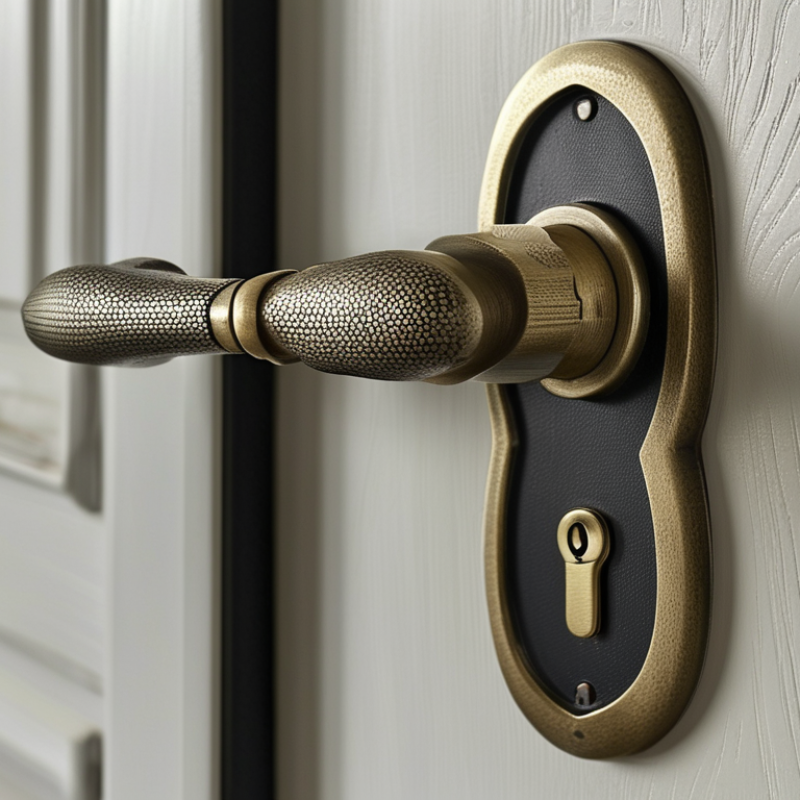
A Knurled Door Handle combines a practical grip with a distinctly crafted appearance. Its surface contains small, repeated ridges, usually cut or pressed into metal. These ridges catch the fingers, even when hands are damp, cold, or carrying shopping bags. The result feels more secure than a completely smooth lever. It also creates a subtle visual rhythm across a door.
Dieter Rams, a respected industrial designer, offers a useful principle: “Good design is as little design as possible.” His Ten Principles help explain the handle’s appeal. Knurling adds texture without requiring decoration, bright colors, or complex shapes. Brass, stainless steel, and matte black finishes can make the same pattern feel traditional, modern, or industrial. That flexibility suits kitchens, boutique hotels, offices, and renovated homes.
However, popularity does not prove perfection. A sharply cut pattern may collect dust around its grooves. Cheap plating can wear quickly near busy entrances. Some users may also find aggressive knurling uncomfortable after repeated contact. These details matter more than photographs suggest. A reliable choice depends on the handle’s core material, edge treatment, fixing method, and maintenance requirements. It should feel solid before it looks impressive. Perhaps that is the part many product descriptions overlook. This guide examines what a Knurled Door Handle is, why designers and homeowners choose it, and where its practical limits deserve closer attention.
A knurled door handle is a handle with a finely ridged surface. These grooves are usually cut or pressed into the grip, creating a textured pattern that feels precise under the hand. The ridges can improve traction when fingers are wet, cold, or lightly gloved. They also give a plain door stronger visual character. Common designs include straight, diamond, and cross-hatched knurling. The handle normally combines a solid lever, a concealed rose, and a durable metal finish. Its best feature is tactile control.
The renovation market supports this design interest. Harvard Joint Center for Housing Studies estimated that U.S. homeowner improvement spending reached about 472 billion dollars in 2022. Replacement hardware is a small purchase within that larger cycle, but it changes daily contact points. A knurled handle can also help users who prefer a firmer grip, although it is not automatically an accessibility product. Surface depth, lever shape, return action, and installation height still matter. Check those details carefully. The 2024 Houzz U.S. Kitchen Trends Study reported that roughly seven in ten renovating homeowners replaced cabinet hardware, showing continued interest in visible touchpoints. Door handles follow a similar design logic, though kitchen hardware data should not be treated as direct door-hardware evidence. That distinction matters. Knurling is not maintenance-free; dust may settle inside narrow grooves, and aggressive cleaning can dull some finishes. A practical choice balances grip, cleaning effort, hand comfort, and the door’s overall style.
A knurled door handle has a patterned surface made of intersecting ridges. This normalized profile models the repeated high and low points created by a regular diamond-knurled texture. The raised pattern improves tactile grip, adds visual detail, and helps the handle feel secure when used with wet or dry hands.
The chart uses a normalized surface-height scale from 0 to 1 to show the repeating ridge pattern; actual knurl depth and spacing vary by handle design.
A knurled door handle uses a textured surface cut into metal. Its ridges improve grip, even with wet or gloved hands. The pattern may be straight, diamond-shaped, or helical. Each choice changes touch, appearance, and cleaning effort. A 2024 Fortune Business Insights report projects steady growth in the global door-handle market through 2032, supported by renovation and commercial construction. That demand makes manufacturing precision more important.
Design begins with pitch, depth, and ridge angle. A finer pitch feels smoother but can collect dust. A deeper pattern feels stronger, though it may irritate bare skin. Designers usually test hand comfort before approving production drawings. Small details matter. A few tenths of a millimeter can alter the grip noticeably.
Manufacturers create knurling through cutting or cold rolling. Cutting tools remove material, while rolling presses ridges into the handle. Rolling often improves production speed and surface strength, according to metal-forming guidance from the International Organization for Standardization. The handle is then deburred, polished, plated, or coated. Inspectors check ridge consistency, diameter, coating adhesion, and torque performance. In workshop testing, coating thickness can soften sharp ridges more than expected. That result is easy to overlook. It deserves another trial, especially on frequently used commercial doors. A 2023 Grand View Research analysis also links architectural hardware demand with durable, low-maintenance finishes, but finish selection still depends on moisture, cleaning chemicals, and actual hand contact.
A knurled door handle has a textured surface made from small ridges or diamond-shaped cuts. These grooves improve grip, especially when hands are wet or dusty. In my experience, the texture also makes a plain door feel more deliberate. However, deep knurling can collect dirt, so it needs regular cleaning with a soft cloth.
Common materials include brass, stainless steel, aluminum, and zinc alloy. Brass offers a warm, substantial feel and can develop a natural patina over time. Stainless steel is practical for busy areas because it resists corrosion and feels cool to the touch. Aluminum is lighter, while zinc alloy often supports more affordable designs. Material quality matters more than appearance alone. A heavy handle is not automatically stronger.
Finishes change the handle’s character. Satin brass looks soft and modern, while polished brass reflects more light and shows fingerprints easily. Matte black creates strong contrast against pale doors, but scratches may appear sooner than expected. Brushed stainless steel hides minor marks well. Some handles use protective coatings, yet these can wear around frequently touched edges.
Handle styles include straight levers, rounded pulls, T-bars, and compact cabinet-style designs. A lever usually feels easiest for everyday access. Pull handles suit sliding or oversized doors. I once preferred very sharp knurling, but it became uncomfortable after repeated use. A balanced texture often works better than an aggressive pattern. Check the grip, door thickness, and mounting hardware before choosing.
A knurled door handle has a textured surface cut with small diamond or straight ridges. This pattern gives fingers a firm grip, even when hands are damp or gloved. In practical use, the texture feels more secure than a smooth lever. It also catches light, adding a precise, workshop-like detail to plain doors.
Their growing popularity comes from a mix of function and appearance. Interior designers often use tactile hardware to make a room feel more considered. Knurling adds visual depth without requiring bright color or heavy decoration. The grip can help people with limited hand strength, although texture alone cannot solve every accessibility need. In busy homes, a sturdy metal handle may tolerate repeated daily use better than delicate finishes. Still, quality depends on the base metal, coating, mounting plate, and installation.
During a renovation, I found that tightly spaced ridges felt impressive at first but collected more dust. A softer pattern was easier to wipe with a damp microfiber cloth. That small detail changed my preference. Buyers should check the handle’s diameter and return action before choosing it. A beautiful design can feel awkward if the lever is too thin or the spring is weak. Clear specifications and finish-care instructions also matter. Trends matter, but hand comfort matters more.
What Is a Knurled Door Handle and Why Is It Popular?
A knurled door handle has a textured, ridged surface that improves grip. Its pattern also adds visual depth to plain doors. In practice, it feels secure when hands are wet or cold. Before installation, measure the door thickness and existing hole spacing carefully. Small differences can cause loose fitting or difficult operation. I once trusted an old measurement and had to reposition the handle. That mistake was avoidable.
Installation usually requires a screwdriver, a measuring tape, and sometimes a drill. Keep the handle level while tightening the fixing screws. Tighten them gradually from both sides. Excessive force may damage the door surface or distort the mechanism. Check the latch several times before closing the door completely. The handle should return smoothly without scraping the door or frame. If the movement feels stiff, inspect the spindle alignment instead of forcing it.
Maintenance is simple but should be consistent. Wipe the textured surface with a soft, slightly damp cloth. Remove dust from the grooves with a small, soft brush. Avoid abrasive pads and harsh chemicals, which can dull the finish. Check the screws every few months, especially on frequently used doors. A knurled surface can collect skin oils more visibly than a smooth one. That is not a serious fault, but it requires more regular cleaning. For homes with children or older users, test the grip at a comfortable height. Style matters, but daily comfort matters more.
| Data Dimension | Typical Information | Practical Benefit | Installation or Maintenance Consideration | Overall Assessment |
|---|---|---|---|---|
| Definition | A knurled door handle has a textured surface formed by a series of ridges, grooves, or diamond-like patterns machined or pressed into the grip. | The textured surface improves finger contact and gives the handle a distinctive tactile appearance. | Texture depth and spacing vary by design, so the handle should be checked for comfort before final installation. | High practical value |
| Common Materials | Frequently made from stainless steel, brass, aluminum, zinc alloy, or steel with a protective finish. | Material selection affects strength, weight, corrosion resistance, appearance, and cost. | For humid or coastal locations, corrosion-resistant metal and a durable finish are generally more suitable. | Choose by environment |
| Grip and Accessibility | Knurling provides additional friction compared with a completely smooth handle, especially when hands are damp or slightly oily. | It can make the handle easier to locate and operate without requiring a tight grip. | Very sharp or deep knurling may feel uncomfortable for children, older users, or people with sensitive hands. | Good, with comfort checks |
| Typical Handle Length | Many pull handles are approximately 100–400 mm long, while lever handles commonly have a shorter operating grip. | Longer pull handles can provide more hand-position flexibility and visual impact. | Confirm the door width, clearance from nearby trim, and the mounting-hole spacing before drilling. | Depends on door scale |
| Typical Projection | Door pull handles commonly project about 45–75 mm from the door surface, although exact dimensions vary by fitting system. | Adequate projection allows the fingers to wrap around the grip comfortably. | Leave enough clearance for knuckles and check that the handle does not interfere with adjacent walls or cabinetry. | Measure before fitting |
| Suitable Door Types | Commonly used on interior timber doors, entrance doors, cabinets, wardrobes, glass doors with compatible hardware, and commercial doors. | The style works in residential, hospitality, office, and retail interiors. | Solid doors, hollow-core doors, and glass doors require different fasteners or mounting methods. | Broad compatibility |
| Installation Tools | A tape measure, pencil, drill, correctly sized drill bit, screwdriver, level, and suitable fasteners are normally required. | Accurate marking and controlled drilling help prevent misalignment and surface damage. | Use a template when available, protect the door surface, and avoid overtightening mounting screws. | Moderate difficulty |
| Mounting Accuracy | Handle centers should be marked carefully so that both fixing points are level and evenly positioned. | Accurate alignment improves appearance and reduces stress on the handle and fasteners. | Check measurements from the door edge, top rail, and nearby hardware before drilling permanent holes. | Critical to final quality |
| Fastener Selection | Fasteners should match the door thickness, handle design, substrate, and expected operating load. | Correct fasteners improve stability and reduce the risk of loosening or pull-out. | Through-bolts or reinforced fixings may be preferable for heavy doors or frequently used commercial entrances. | Load-dependent |
| Cleaning Frequency | Wipe the handle when visibly soiled; high-touch handles may need cleaning several times per week in busy areas. | Regular cleaning removes skin oils, dust, and residue that can collect in the grooves. | Use a soft cloth with mild soapy water, then dry thoroughly to reduce water spotting and corrosion risk. | Low maintenance |
| Cleaning Products to Avoid | Harsh abrasives, steel wool, strong solvents, and unapproved acidic or chlorine-based cleaners may damage finishes. | Avoiding aggressive chemicals helps preserve color, sheen, and surface protection. | Test any unfamiliar cleaner on an inconspicuous area and follow the care guidance for the specific finish. | Finish-sensitive |
| Inspection Interval | Check the handle and fixings every few months, or more often on heavily used doors. | Early inspection can identify loose screws, movement, damaged finishes, or sharp edges. | Tighten loose fasteners carefully and replace damaged components rather than continuing to use unsafe hardware. | Simple preventive care |
| Corrosion Resistance | Resistance depends on the base metal, surface treatment, installation location, and exposure to moisture or salt. | Suitable corrosion resistance extends service life and maintains appearance. | Dry wet surfaces promptly and avoid leaving cleaning chemicals in the knurled grooves. | Environment-dependent |
| Noise and Operation | A properly aligned handle should operate quietly without rattling, scraping, or excessive movement. | Smooth operation improves perceived quality and user comfort. | Noise may indicate loose fixings, incorrect alignment, a damaged spindle, or interference with the latch. | Quiet when fitted correctly |
| Safety Considerations | Edges should be smooth enough for normal use, and the handle should be securely fixed without exposed sharp fasteners. | Safe geometry reduces snagging, cuts, and accidental impact injuries. | Consider rounded profiles and comfortable knurling for family homes, healthcare areas, and high-traffic spaces. | Important selection factor |
| Visual Style | Knurled detailing adds a tactile, engineered, and decorative feature to doors and furniture. | It can complement contemporary, industrial, transitional, and minimalist interiors. | Coordinate the finish and shape with hinges, locks, lighting, and other visible hardware. | Strong design appeal |
| Replacement Compatibility | Compatibility depends on hole spacing, spindle size, fixing method, door thickness, and the type of latch or lock. | Matching existing dimensions can simplify replacement and reduce additional drilling. | Measure the existing hardware before ordering; do not rely on appearance alone. | Verify dimensions |
| Expected Service Life | Service life varies widely with material quality, finish, installation accuracy, frequency of use, and environmental exposure. | Well-fitted hardware with routine care can remain functional for many years. | High-use or exterior applications require more frequent inspections and may need higher-grade materials. | Use-dependent |
| Best Use Case | Knurled handles are especially suitable when tactile grip, visual detail, and a durable architectural appearance are desired. | They offer a balance of functionality and decorative value. | For wet, coastal, or very high-traffic locations, prioritize tested materials, secure fixings, and easy-clean finishes. | Versatile choice |

Contact our Specialists