How to Implement Software Robotics to Enhance Business Efficiency
In today's rapidly evolving business landscape, organizations are constantly seeking ways to enhance efficiency and streamline operations. One of the most promising solutions that has gained significant traction in recent years is the implementation of software robotics. This innovative technology leverages automation to perform routine tasks, allowing businesses to allocate human resources to more strategic activities that drive growth and innovation.
Software robotics not only increases productivity by minimizing errors and reducing the time required for repetitive processes, but it also leads to cost savings and improved employee morale. As companies navigate the complexities of digital transformation, understanding how to effectively integrate software robotics into their existing workflows becomes paramount. By doing so, organizations can achieve operational excellence and maintain a competitive edge in their respective markets.
This article aims to explore the fundamental principles of software robotics implementation, highlighting key strategies and best practices that can empower businesses to harness its full potential. From assessing workflows to selecting the right tools and measuring success, we will provide a comprehensive guide to navigate the journey of enhancing business efficiency through software robotics.

Understanding Software Robotics and Its Impact on Business Efficiency
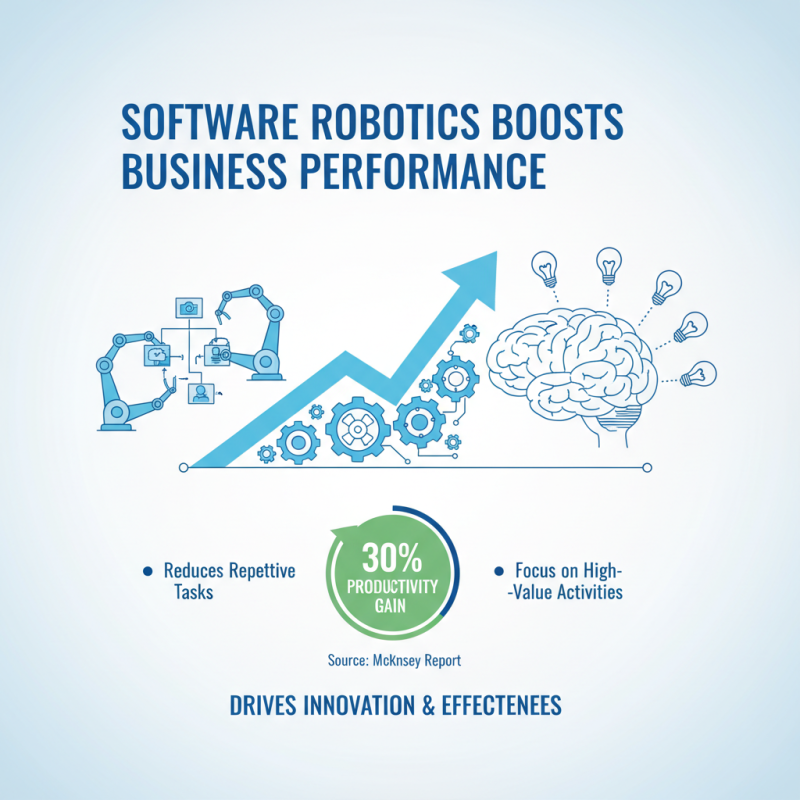
Software robotics, also known as robotic process automation (RPA), has emerged as a pivotal technology for boosting business efficiency across various sectors. According to a report by McKinsey, organizations that implement RPA can enhance productivity by up to 30%, as these automated systems handle repetitive tasks that would otherwise consume considerable time and resources. By leveraging software robotics, businesses can streamline operations, reduce human error, and allow employees to focus on higher-value activities that drive innovation.
The impact of software robotics extends beyond mere cost savings; it significantly contributes to agility and flexibility in operations. A study by Deloitte reveals that 53% of companies that have adopted RPA experienced a faster response to market changes. Automation allows companies to quickly adapt their workflows without extensive retraining efforts or workforce disruptions. Furthermore, automated systems provide real-time data analysis, enabling businesses to make informed decisions faster and enhance overall operational efficiency. In an environment where speed and accuracy are critical, software robotics serves as a powerful tool for maintaining competitive advantage.
How to Implement Software Robotics to Enhance Business Efficiency
| Dimension |
Description |
Impact on Efficiency |
Example Use Cases |
| Process Automation |
Automating routine tasks to reduce manual effort. |
Increases productivity by freeing up employee time. |
Invoice processing, data entry, report generation. |
| Customer Support |
Using chatbots to handle customer inquiries. |
| Reduces response time and enhances customer satisfaction. |
24/7 support, FAQs, troubleshooting assistance. |
| Data Management |
Collecting, cleaning, and organizing data automatically. |
Improves data accuracy and accessibility. |
Data analysis, reporting, compliance checks. |
| Workflow Management |
Optimizing business processes and project workflows. |
Increases overall operational efficiency. |
Task assignments, approvals, project tracking. |
| Compliance Automation |
Ensuring adherence to regulations and standards. |
Reduces risk of compliance violations. |
Audit trails, document management, reporting. |
Identifying Key Areas for Software Robotics Implementation in Organizations
Identifying key areas for software robotics implementation in organizations requires a thorough understanding of the specific processes that can benefit from automation. One of the primary areas is repetitive task management. Organizations often have employees engaged in mundane tasks that consume significant time and resources, such as data entry, invoice processing, and report generation. Implementing software robotics in these areas can not only streamline operations but also free up human resources to focus on strategic initiatives that add value to the business.
Another critical area for software robotics implementation is customer service. Many organizations handle a vast number of customer inquiries daily, which can lead to delays and inconsistencies in service delivery. With the introduction of robotic process automation (RPA) tools, companies can improve response times and maintain high standards of customer satisfaction. Automated systems can manage routine queries, track ticket statuses, and provide immediate responses, ensuring that customer needs are met efficiently while allowing human agents to tackle more complex issues.
Additionally, organizations can explore software robotics in data analysis and management. The ability to gather, process, and analyze large datasets quickly is essential in making informed business decisions. Automating data processes enhances accuracy, reduces the likelihood of errors, and improves the speed of reporting. By identifying key areas where software robotics can be effectively implemented, organizations can not only enhance efficiency but also drive innovation and growth in a competitive landscape.
Step-by-Step Guide to Choosing the Right Software Robotics Tools
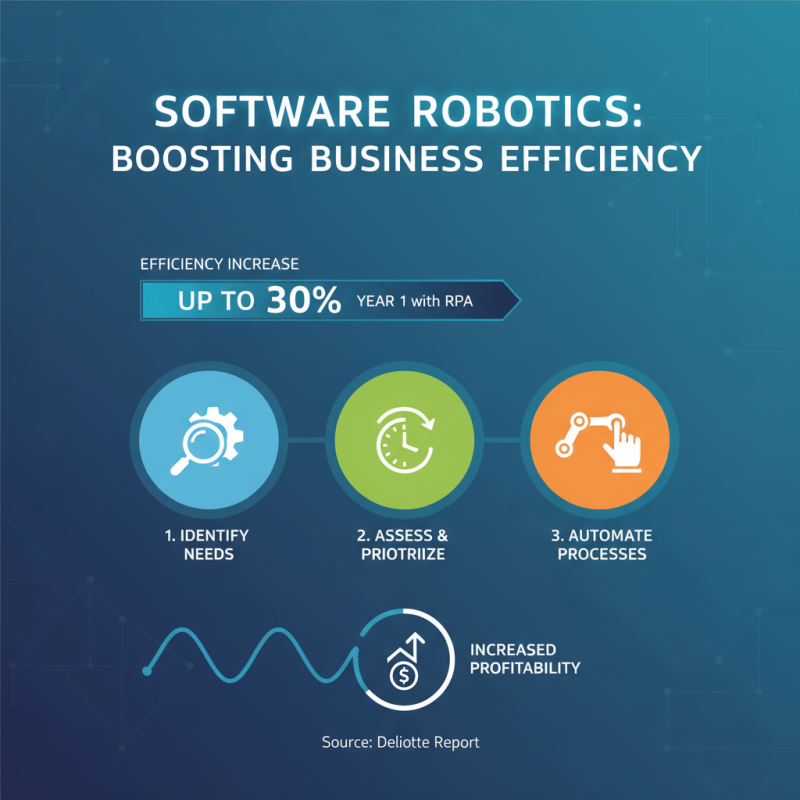
Choosing the right software robotics tools is a pivotal step in enhancing business efficiency through automation. According to a recent report by Deloitte, organizations implementing robotic process automation (RPA) can achieve an efficiency increase of up to 30% within the first year. When selecting software robotics tools, businesses should start by identifying their specific needs and objectives. A thorough assessment of processes that are repetitive and time-consuming will help prioritize which tasks to automate.
Next, organizations must consider scalability and ease of integration. Research by McKinsey indicates that 45% of current work activities could be automated with available technology, but the effectiveness of automation tools largely depends on how well they integrate with existing systems. Therefore, evaluating tools on compatibility with current technologies and their ability to scale as the business grows is crucial. Additionally, user-friendliness is a vital factor; the more intuitive the tool, the faster teams can adapt and realize productivity gains. By carefully analyzing these aspects, businesses can make informed decisions that align with their operational goals and drive substantial efficiency improvements.
Best Practices for Integrating Software Robotics into Existing Workflows
Integrating software robotics into existing workflows can significantly enhance business efficiency, but it requires a strategic approach. The first best practice is to conduct a comprehensive assessment of current workflows. Identifying repetitive and time-consuming tasks will help pinpoint areas where automation can yield the most significant results. Engaging team members during this phase not only fosters buy-in but also gathers insights on potential challenges and user needs, laying a solid foundation for successful integration.
Once the key tasks for automation are identified, businesses should prioritize a phased implementation. Starting with a pilot program allows organizations to test the software robotics in a controlled environment and make necessary adjustments before a full-scale rollout. Continuous monitoring and feedback during this phase are crucial; they ensure that the solution meets expectations and allows for iterative improvements. Furthermore, training employees on how to work alongside robotic systems is essential. By cultivating a culture that embraces technology, businesses can maximize the benefits of software robotics while minimizing resistance to change.
Measuring the Success of Software Robotics in Enhancing Business Performance
The implementation of software robotics has been shown to significantly enhance business performance, reflected in various metrics that organizations use to gauge success. According to a report by McKinsey, companies that have integrated robotic process automation (RPA) into their operations saw productivity improvements by as much as 30%. This increase often stems from the reduction of time spent on repetitive tasks, allowing employees to focus on high-value activities, ultimately driving greater innovation and effectiveness within the workplace.
Measuring the success of software robotics can involve several key performance indicators (KPIs). For instance, a study from Deloitte highlighted that organizations implementing RPA experienced a 20-40% reduction in operational costs. Additionally, businesses have reported improvements in their accuracy and compliance metrics, with error rates dropping by up to 90%. Assessing these metrics not only showcases the direct benefits of software robotics but also encourages continuous optimization of processes, reinforcing the technology's role in enhancing business efficiency.