What is Automation and How to Make it Work for Your Business?
In today's rapidly evolving business landscape, the concept of automation has emerged as a critical driver of efficiency and productivity. As companies strive to remain competitive, understanding what automation is and how to seamlessly integrate it into their operations is essential. Automation transcends mere technology—it encompasses a strategic shift that can transform how businesses operate, enabling them to streamline processes, reduce human error, and free up valuable resources.
To effectively make automation work for your business, it is crucial to identify repetitive tasks that can be automated and assess the tools that align best with your organizational needs. This transition can lead to significant cost savings and improved workflow, as employees are empowered to focus on more strategic, high-value activities. As we delve deeper into the world of automation, we will explore practical approaches that businesses can adopt to leverage this powerful capability, ensuring that they not only keep pace with industry advances but also drive innovation within their teams.
Understanding Automation: Definition and Importance
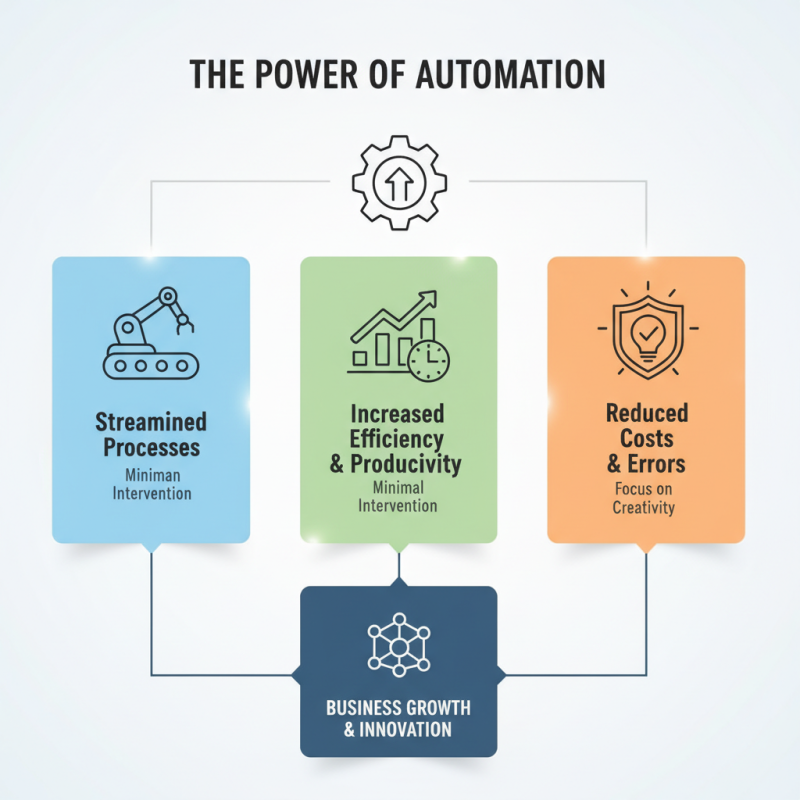
Automation refers to the use of technology to perform tasks with minimal human intervention, streamlining processes to increase efficiency and productivity. In modern business environments, automation plays a critical role in various operations, from simple tasks like data entry to complex systems managing supply chains. Understanding the importance of automation can significantly influence a company's performance. It not only reduces operational costs but also minimizes the risk of human error, allowing employees to focus on higher-value tasks that demand creativity and strategic thinking.
To effectively implement automation in your business, consider these tips: First, assess your current processes to identify repetitive tasks that can be automated. This step ensures that you invest time and resources in the areas where automation will yield the best results. Second, choose the right tools that align with your specific needs. This might involve investing in software that integrates seamlessly with existing systems, ensuring a smooth transition. Finally, involve your team in the automation process. Educating and training employees on the new systems fosters acceptance and eases the adjustment to changes in workflow.
By understanding automation's significance and following these practical tips, businesses can harness its power to enhance efficiency, improve accuracy, and innovate their operations, ultimately leading to sustainable growth.
Types of Automation: An Overview of Key Categories
Automation encompasses a wide range of technologies and processes aimed at streamlining business operations, thereby increasing efficiency and reducing the potential for human error. Understanding the various types of automation is crucial for businesses looking to implement effective solutions. The primary categories include process automation, IT automation, and marketing automation, each serving distinct yet interconnected purposes within an organization.
Process automation focuses on the operational aspects of a business, such as workflows and routine tasks. This type encompasses the use of software to perform repetitive tasks without human intervention, enabling staff to concentrate on more complex, strategic activities. IT automation, on the other hand, streamlines IT operations, from system monitoring to data backups, ensuring that infrastructure functions smoothly and reduces downtime.
Finally, marketing automation leverages technology to manage marketing tasks and customer interactions, personalizing communications while optimizing campaign efficiency. By employing these distinct types of automation, businesses can significantly enhance their productivity and adaptability in an increasingly competitive landscape.
Benefits of Automation for Business Efficiency and Growth
Automation has become a pivotal tool for businesses aiming to enhance efficiency and drive growth. By minimizing manual processes and streamlining workflows, organizations can significantly reduce operational costs and improve accuracy. For instance, automating routine tasks such as data entry or customer service inquiries allows employees to focus on strategic activities that require critical thinking and creativity. This shift not only elevates productivity but also fosters a more engaged workforce, ultimately leading to improved job satisfaction.
Moreover, automation contributes to scalability as businesses grow. As demand fluctuates, automated systems can easily adapt to increased workloads without the need for extensive hiring or training. This flexibility ensures that companies can respond swiftly to market changes and customer needs, positioning them for sustained growth.
Furthermore, the integration of automation tools provides valuable insights through data analytics, enabling businesses to make informed decisions that enhance performance and foster innovation. By leveraging automation effectively, companies can unlock new opportunities and stay ahead in a competitive landscape.
Steps to Implement Automation in Your Business Strategy
Implementing automation in your business strategy requires a structured approach to ensure effectiveness and alignment with your goals. The first step is to identify processes that can benefit from automation. Evaluate repetitive, time-consuming tasks that consume significant resources but do not directly contribute to your core business objectives. Common areas ripe for automation include data entry, customer service inquiries, and inventory management. By analyzing these processes, you can pinpoint opportunities to enhance efficiency and reduce costs.
Once potential areas for automation are identified, the next step involves selecting the right tools and technologies that match your business needs. Research various automation platforms and software that can seamlessly integrate with your existing systems. It's crucial to prioritize user-friendly solutions that allow for easy scalability as your business grows. Following the selection process, develop a detailed implementation plan that outlines timelines, responsibilities, and expected outcomes. Engaging team members during this phase is essential to ensure buy-in and facilitate a smoother transition to automated workflows. Regularly evaluate the results post-implementation to identify areas for improvement and to fully leverage the benefits of automation.
What is Automation and How to Make it Work for Your Business? - Steps to Implement Automation in Your Business Strategy
| Automation Tool |
Purpose |
Benefits |
Implementation Steps |
| Email Marketing Automation |
Streamlining email campaigns |
Increased engagement, saving time |
Choose Tool, Design Campaign, Schedule |
| Customer Relationship Management (CRM) |
Managing customer interactions |
Better data organization, improved sales |
Select CRM, Integrate Data, Train Team |
| Social Media Automation |
Scheduling social media posts |
Consistent posting, audience growth |
Choose Platform, Create Content, Schedule Posts |
| Workflow Automation |
Automating repetitive tasks |
Increased efficiency, reduced errors |
Identify Tasks, Choose Tools, Monitor Progress |
| Data Entry Automation |
Streamlining data input |
Time savings, fewer mistakes |
Select Tool, Define Data Sources, Train Staff |
Measuring Success: Evaluating Automation Effectiveness and Impact
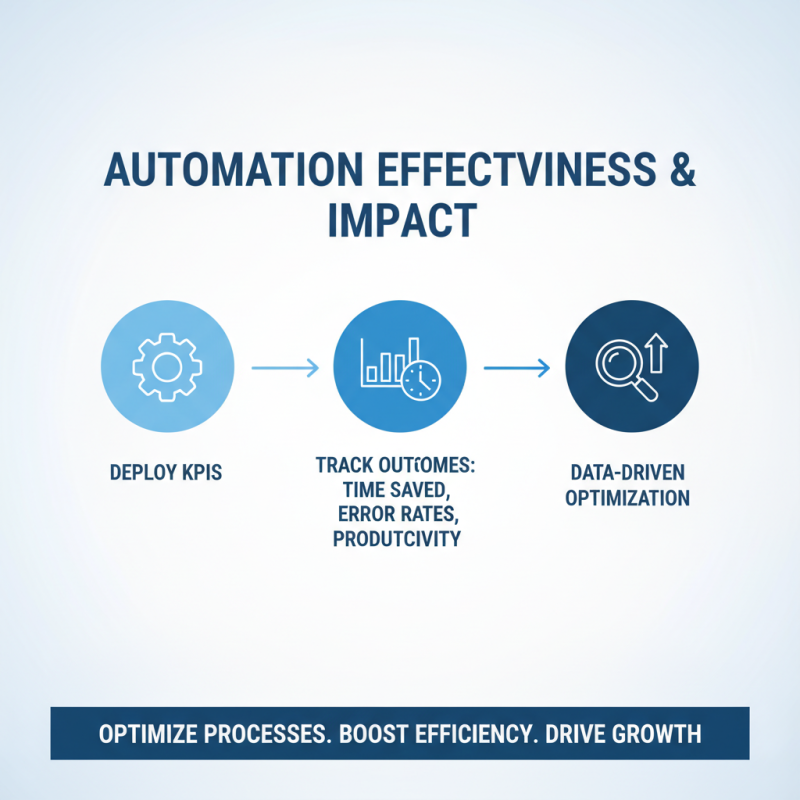
Evaluating the effectiveness and impact of automation is crucial for organizations aiming to optimize their processes. To begin with, deploying key performance indicators (KPIs) can help track automation outcomes. Metrics such as time saved, error rates, and productivity levels provide quantifiable data that reflect how well the automation is functioning. By setting clear benchmarks before implementing automation, businesses can assess improvements more easily and make data-driven decisions to enhance their processes.
In addition to quantitative measures, qualitative feedback is equally vital in understanding automation's impact. Engaging employees who interact with the automated systems can yield insights into usability and satisfaction. Their experiences can highlight areas where the automation may be falling short or exceeding expectations. Combining both quantitative and qualitative evaluations ensures a comprehensive understanding of automation's benefits and challenges, enabling continuous refinement to align closer with business objectives and drive further success.