
Global buyers are entering 2026 with stricter expectations for sealing, traceability, and long-term joint performance. A Seal Screw is not merely a threaded fastener with a rubber ring. Its material, thread profile, sealing element, drive design, and installation torque must work together. A small mismatch can create a visible leak around a pump cover, electrical enclosure, or outdoor control cabinet.
Fastener engineer Dr. Thomas J. Drozda offers a useful reminder: “A fastener is only as reliable as the joint it serves.” That principle shapes this guide to the leading Seal Screw types for international procurement. The discussion will compare bonded sealing screws, captive washer designs, self-tapping versions, stainless steel options, and application-specific models. It will also examine thread engagement, washer compression, corrosion exposure, temperature range, and production consistency.
Details matter.
A screw that seals well in a clean workshop may perform poorly beside salt spray, vibration, or repeated maintenance. Buyers should verify drawings, coating specifications, hardness data, packaging controls, and inspection records before approving a supplier. Certifications can help, but they do not replace practical testing.
There is no universal winner. A stainless Seal Screw may resist corrosion, yet its strength, galling risk, and cost require careful review. A coated carbon-steel model may be economical, but damaged coatings can weaken protection. This guide acknowledges that uncertainty and highlights decisions that deserve another look. The right choice depends on the joint, environment, assembly method, and evidence behind the supplier’s claims.
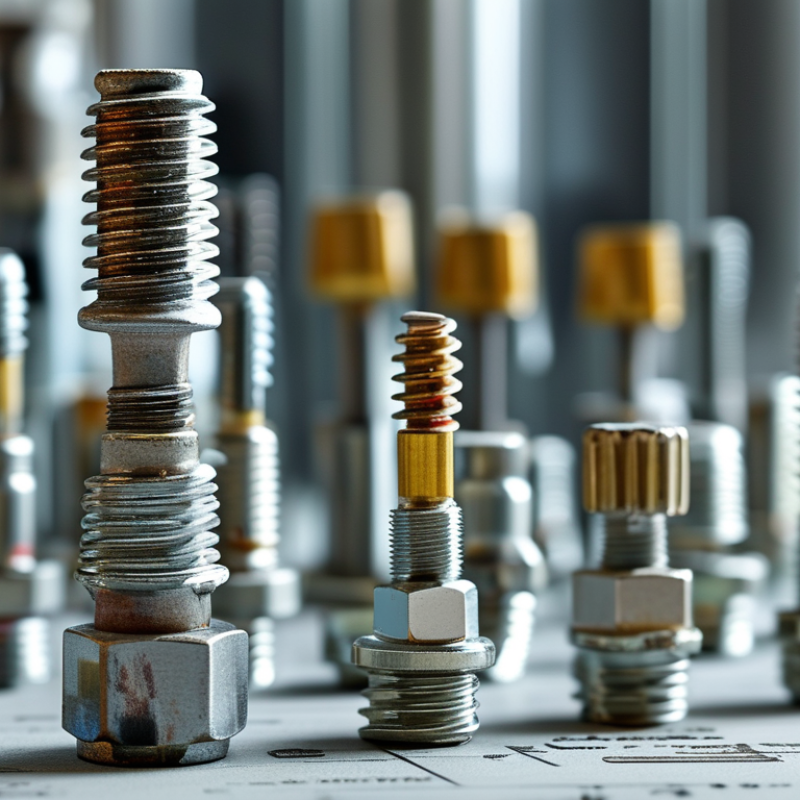
Seal screws combine a threaded fastener with a sealing feature. They help close the gap around a drilled hole. This reduces entry by water, dust, oil, and fine particles.
Common designs include screws with bonded sealing washers, O-rings, and molded sealing heads. Bonded washers suit panels and enclosures with flat surfaces. O-ring designs work well when controlled compression is possible. Thread-forming seal screws can reduce assembly steps in thin metal applications.
The sealing material matters as much as the screw thread. Elastomers must match the operating temperature, fluid exposure, and expected service life. A seal that softens may leak. A seal that becomes rigid may crack under vibration. Small details matter.
Installation also protects the joint. Excessive torque can crush the seal and distort the panel. Low torque may leave a visible leak path. Torque values should be tested with the actual material stack, not copied blindly from a catalogue.
The term “seal screw” is not perfectly standardized. Some suppliers describe a sealed washer screw, while others mean a screw with an integrated sealing head. Buyers should confirm drawings, coating requirements, thread dimensions, and pressure expectations before ordering.
In practical inspections, uneven washer compression is easy to miss. A simple visual check helps, but it does not replace leak testing. This step is sometimes skipped. That is where reliable specifications can still fail in real assemblies.
Seal screw selection begins with the medium, pressure, and installation surface. Bonded washer screws suit HVAC panels, electrical enclosures, and outdoor equipment. Their metal washer supports load, while the elastomer layer blocks water and dust. For hydraulic manifolds and compact valves, O-ring seal screws provide more controlled sealing. They need accurate groove dimensions and a clean seat. A small scratch can cause a slow leak.
Self-drilling sealing screws work well on insulated panels and thin roofing sheets. They reduce drilling steps and installation time. A 2024 market report from Grand View Research estimated the global industrial fasteners market at over USD 80 billion, with construction and machinery remaining major demand sectors. That scale increases the need for repeatable sealing performance, not just low unit cost.
Captive seal screws are useful in access covers, control cabinets, and service panels. They prevent lost hardware during maintenance. For vibration-heavy machinery, buyers often specify thread-locking features with sealing washers. ASTM F593 and ISO 16047 testing practices help evaluate material strength and tightening behavior. Yet standards do not remove every risk. Temperature changes can harden elastomers, and installers may overtighten soft panels. Field trials still matter. A perfect drawing can fail in real dust, rain, and rushed maintenance.
For global buyers, seal screw selection in 2026 depends on exposure, not appearance. Bonded sealing screws suit panels, enclosures, and roofing joints. Self-drilling versions reduce installation steps on thin steel. Captive designs help prevent lost fasteners during maintenance. Field experience shows that washer compression matters as much as thread strength. Too little compression allows water entry. Too much compression damages the elastomer.
Material choice should match the environment. Carbon steel offers strength and cost control, while stainless steel performs better in humid or saline locations. The NACE IMPACT study estimated global corrosion costs at about US$2.5 trillion, or 3.4% of global economic output. That figure remains a useful warning for buyers comparing low initial prices. Zinc flake, zinc-nickel, and organic coatings can improve corrosion resistance, but coating thickness, edge coverage, and thread fit require verification. ISO 12944 exposure categories provide a practical framework for this assessment.
Performance testing should include torque-tension checks, salt-spray screening, washer recovery, and cyclic temperature exposure. ASTM B117 can support comparative testing, but it cannot predict every outdoor service condition. Material compatibility also deserves attention. Some elastomers harden under ultraviolet light or lose flexibility in cold weather. EPDM often suits outdoor sealing, yet it is not universally compatible with oils. The World Steel Association reported approximately 1.88 billion tonnes of crude steel production in 2023, highlighting the scale of steel use and its corrosion challenge. Specifications still need review; laboratory confidence can be misleading.
Global buyers should compare seal screw specifications, not catalog names. Start with the sealing path. A bonded washer suits flat panels, while an O-ring needs a controlled counterbore and compression range. Check thread diameter, pitch, engagement length, and panel thickness together. A screw can meet its tensile class and still leak. ISO 898-1 defines mechanical property classes for carbon and alloy steel fasteners, but it does not prove sealing performance. That distinction is often missed.
Material and environment need equal attention. Compare stainless steel, plated steel, and coated alloys against humidity, salt, temperature, and chemical exposure. ASTM B117 uses a 5% salt solution for laboratory corrosion testing, yet salt-spray hours should not be treated as service-life predictions. ISO 9227 also warns that accelerated tests require careful interpretation. UN Comtrade 2024 data places global trade in iron and steel fasteners under HS 7318 above US$30 billion, showing how many supply chains depend on consistent specifications. Ask for coating thickness, hardness, torque range, leakage results, and batch traceability.
Installation data can reveal practical weaknesses. A specification should state torque in newton-metres, seal material, operating pressure, and test medium. ASTM F606/F606M provides recognized methods for fastener tension and proof-load testing. It does not replace a pressure test on the assembled joint. I would inspect compression marks on a sample panel, not only read a datasheet. A neat table can still mislead. The comparison is never perfectly clean, especially when suppliers report different test temperatures or leak rates.
Installation, Quality Standards, and International Sourcing Considerations
Sealed screws now serve roofing, outdoor equipment, electrical enclosures, and transport assemblies. Common choices include screws with bonded washers, captive elastomer seals, self-drilling points, and thread-forming designs. Bonded washers suit prepared holes and resist water entry around the head. Self-drilling types reduce drilling steps on thin metal. Thread-forming screws work well in plastics, but excessive torque can damage the mating material. Choose the seal compound for temperature, sunlight, chemicals, and expected movement.
Installation quality depends on controlled compression. Clean the contact surface and check that the washer sits flat. Use a calibrated driver, not guesswork. Under-tightening may allow leaks. Over-tightening can split the seal or distort the panel. A practical inspection should check torque records, thread engagement, head seating, and visible seal deformation. ISO 9001-based supplier controls are useful, while material and mechanical reports should match the requested specification. For carbon or alloy steel fasteners, verify applicable mechanical-property requirements. Corrosion-resistant grades also need traceable material documentation.
Tips: Request samples before a large order. Test them on the real substrate, not scrap alone. Confirm salt-spray results, coating thickness, seal hardness, packaging, and lot traceability. Metric and imperial dimensions are not interchangeable. This sounds obvious, yet sourcing errors still happen. A supplier’s certificate may look complete but omit batch identification. Ask for corrective-action records when results fall short. The lowest unit price can become expensive after leaks, rework, and delayed customs clearance.
Contact our Specialists